
BSCPP takes a prevention-focused approach to community safety and development.
We recognise that safer communities require more than responding to incidents after they occur. Prevention, education, youth empowerment, community participation, appropriate first-response support and collaboration can all contribute to stronger community resilience.
Our current programmes include the Preventing Aggression and Violence (PAAV) programme and the Community Emergency Response Patrollers (CERP) programme.
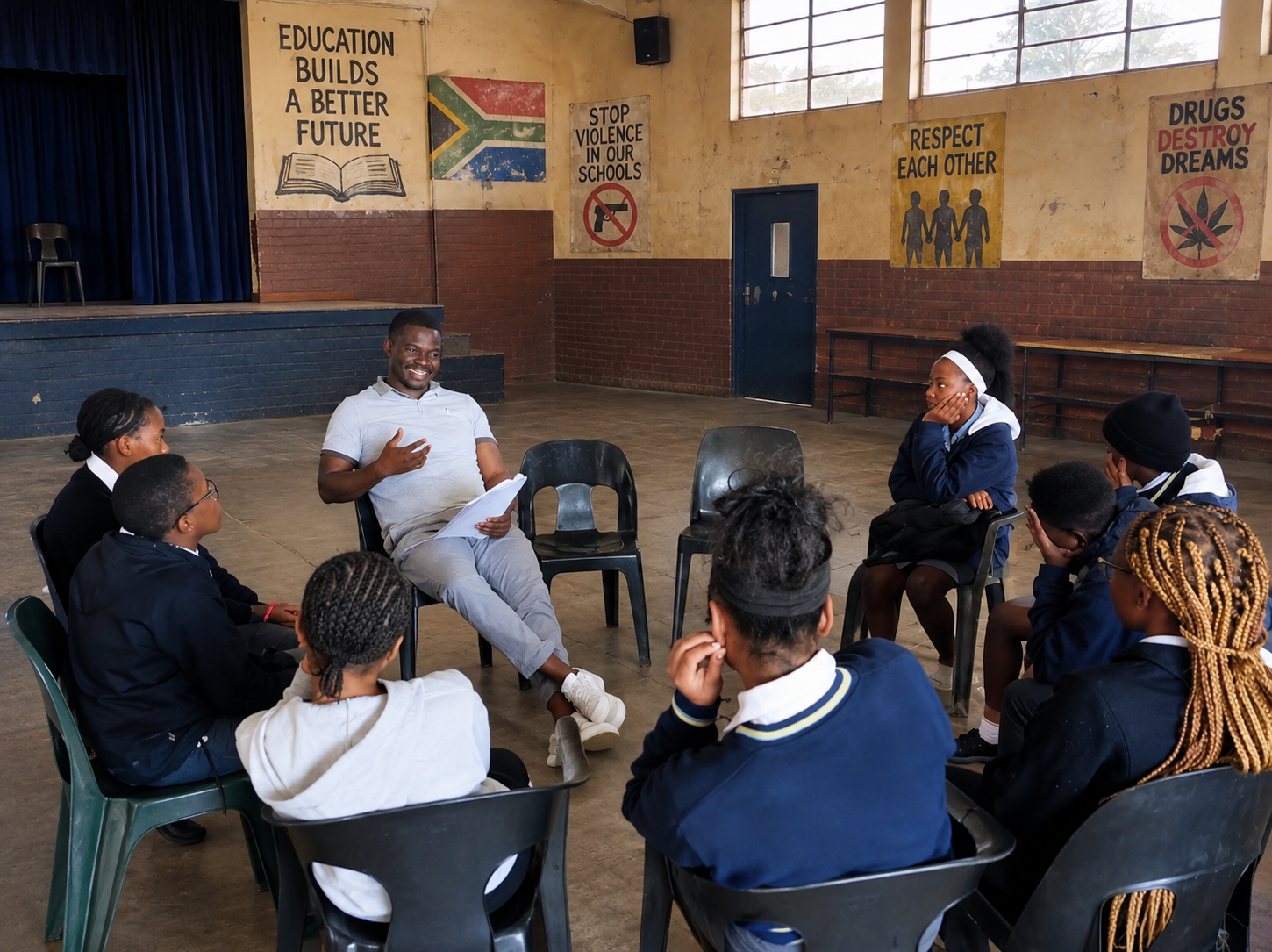
Preventing Aggression and Violence (PAAV) is an evidence-based cognitive-behavioural intervention providing violence-prevention and social-skills training for high-risk youth in secondary schools.
The programme provides learners with practical knowledge and skills relating to emotional management, violence prevention, communication, relationships and conflict resolution.
High-risk youth in secondary schools.
The purpose of PAAV is to support learners in developing practical skills that can help them manage emotional triggers, navigate conflict, develop healthier relationships and reduce behaviours associated with interpersonal violence.
PAAV aims to help learners:
- Manage anger and emotional triggers.
- Develop strategies for preventing interpersonal violence.
- Build healthy and respectful relationships.
- Strengthen conflict-resolution skills.
- Develop empathy and personal accountability.
- Improve communication and negotiation skills.
Learners receive training and awareness on identifying, preventing and responding appropriately to risks associated with:
- Violence
- Bullying
- Relationship abuse
- Cyberbullying
- Technology-
facilitated abuse
- Harmful peer behaviours
Learners are supported to recognise emotional triggers and develop strategies for managing emotional and physiological responses before conflicts escalate.
The programme focuses on skills that can help learners develop respectful, healthy, constructive and non-violent relationships.
Learners develop practical communication, negotiation, problem-solving and de-escalation skills that can help them respond to conflict in more constructive ways.
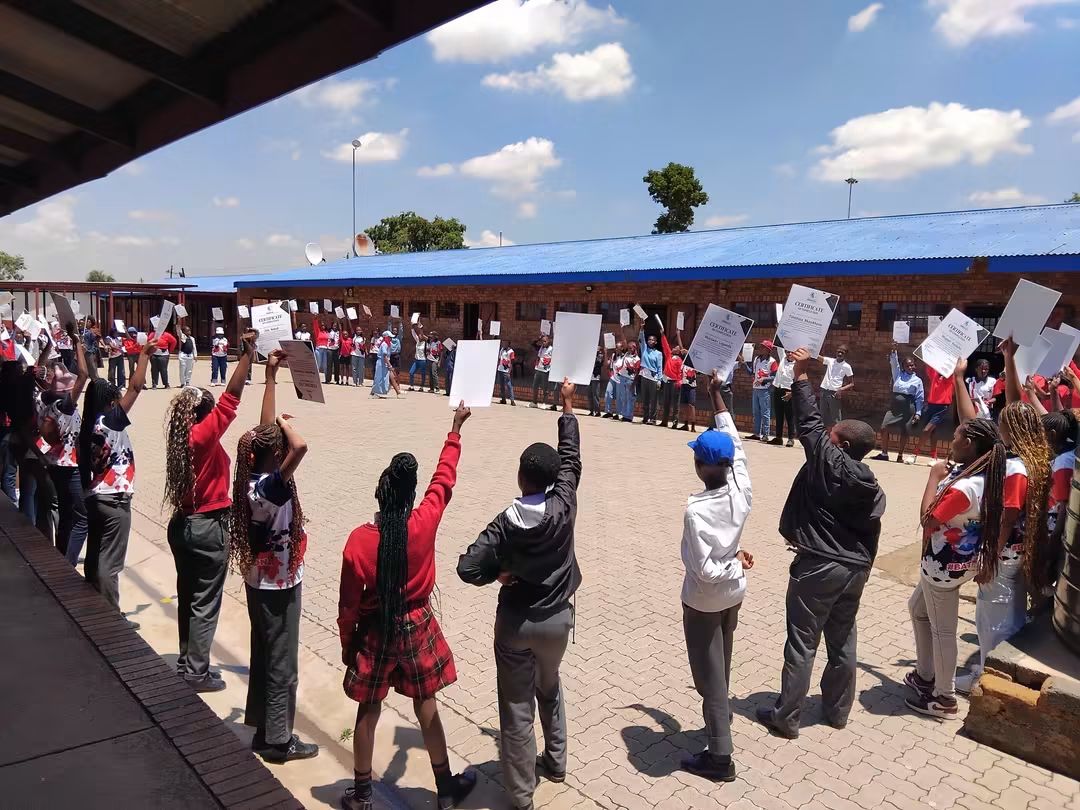
PAAV combines education, skills development and practical learning around violence prevention and social relationships.
The programme focuses on helping learners understand risk, recognise emotional triggers, develop constructive responses and strengthen interpersonal skills.
Its emphasis is preventative: rather than waiting for conflict or violence to occur, learners are supported to develop skills that may help them make safer and more constructive choices.
The intended outcomes of PAAV include learners having greater knowledge and practical skills relating to:
- Emotional regulation
- Violence prevention
- Conflict resolution
- Communication
- Negotiation
- Healthy relationships
- Empathy
- Personal accountability
These are intended programme outcomes, not claims of measured results. BSCPP would continue developing monitoring systems to assess programme reach, participation and outcomes over time.
Young people may encounter multiple social and interpersonal pressures that can increase vulnerability to conflict and violence.
Providing constructive skills and opportunities can form an important part of prevention.
Through school-based education and skills development, BSCPP seeks to contribute to environments where young people can learn healthier ways of managing emotions, relationships and conflict.
The Community Emergency Response Patrollers programme provides community-based first-response support during emergencies.
CERP team members receive training in first aid and emergency response so that they can provide appropriate immediate assistance while professional emergency services or law enforcement are being mobilised or are on their way.
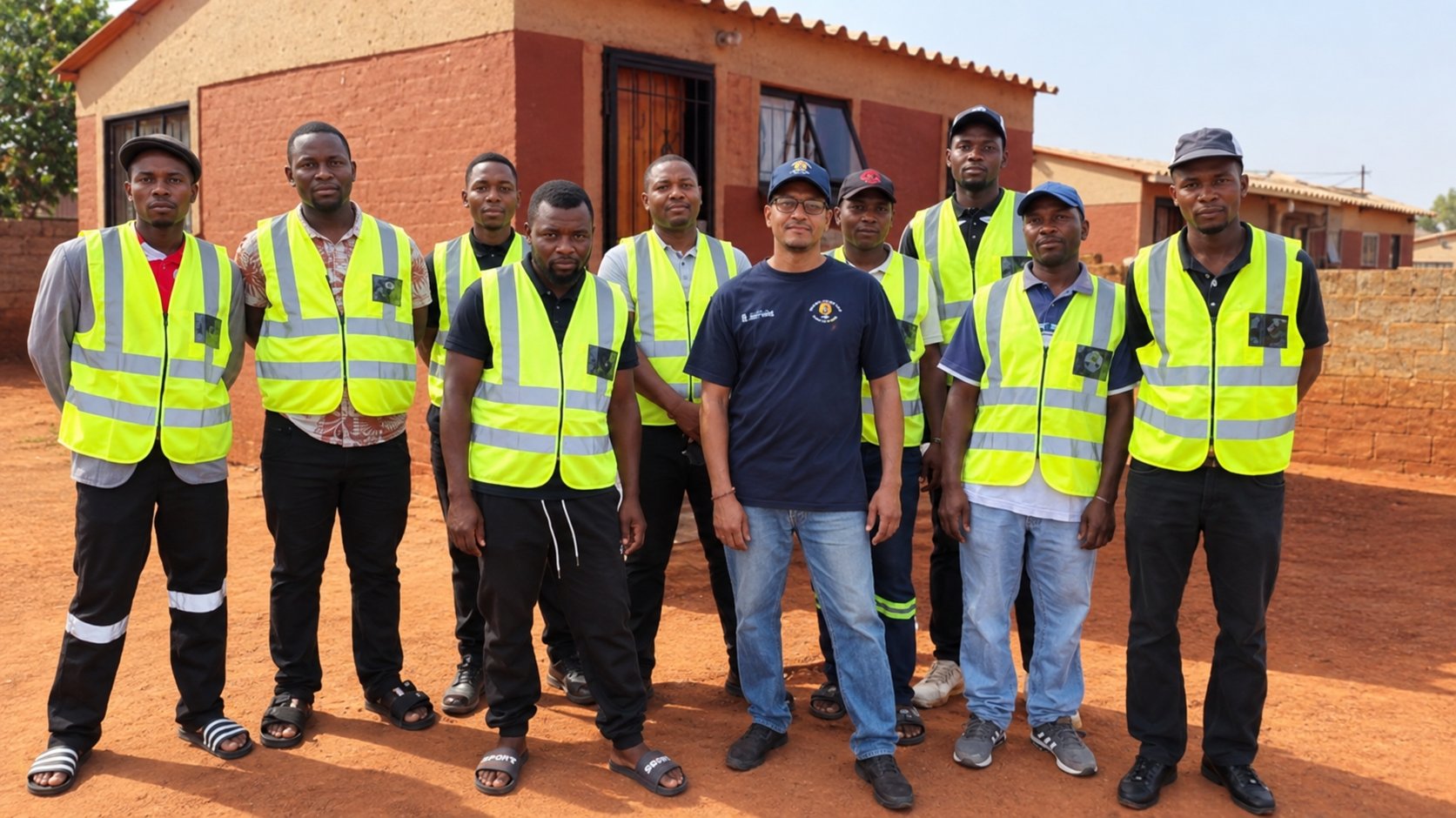
CERP is designed to provide community-based first-response support to residents and community members in the areas served by BSCPP.
The purpose of CERP is to strengthen the community's ability to provide appropriate immediate support during emergencies while professional assistance is being mobilised.
CERP members can provide appropriate immediate assistance within the scope of their training while awaiting professional emergency services.
This may include first-aid support and other appropriate emergency-response assistance.
CERP does not replace ambulances, paramedics, police or other professional emergency services.
Professional emergency services remain responsible for emergency medical care, law enforcement and other specialist responses.
CERP's role is to provide community-based support during the period before professional assistance arrives.
CERP team members receive training in:
- First aid
- Emergency response
Further training and capacity development can help strengthen the programme's readiness and sustainability as resources become available.
CERP team members receive training in:
- First aid
- Emergency response
Further training and capacity development can help strengthen the programme's readiness and sustainability as resources become available.
The intended outcomes of CERP include:
- Strengthened community emergency-response readiness.
- Greater availability of trained community first responders.
- Increased first-aid capacity within the volunteer team.
- Appropriate immediate support during emergencies.
- Stronger coordination between community responders and professional emergency services.
These are intended outcomes rather than verified programme results.
PAAV and CERP address different parts of the community safety challenge.
PAAV focuses primarily on prevention through education and youth skills development.
CERP focuses on community-based first-response support during emergencies.
Together, these programmes form part of BSCPP's broader commitment to prevention, preparedness, community participation and safer communities.